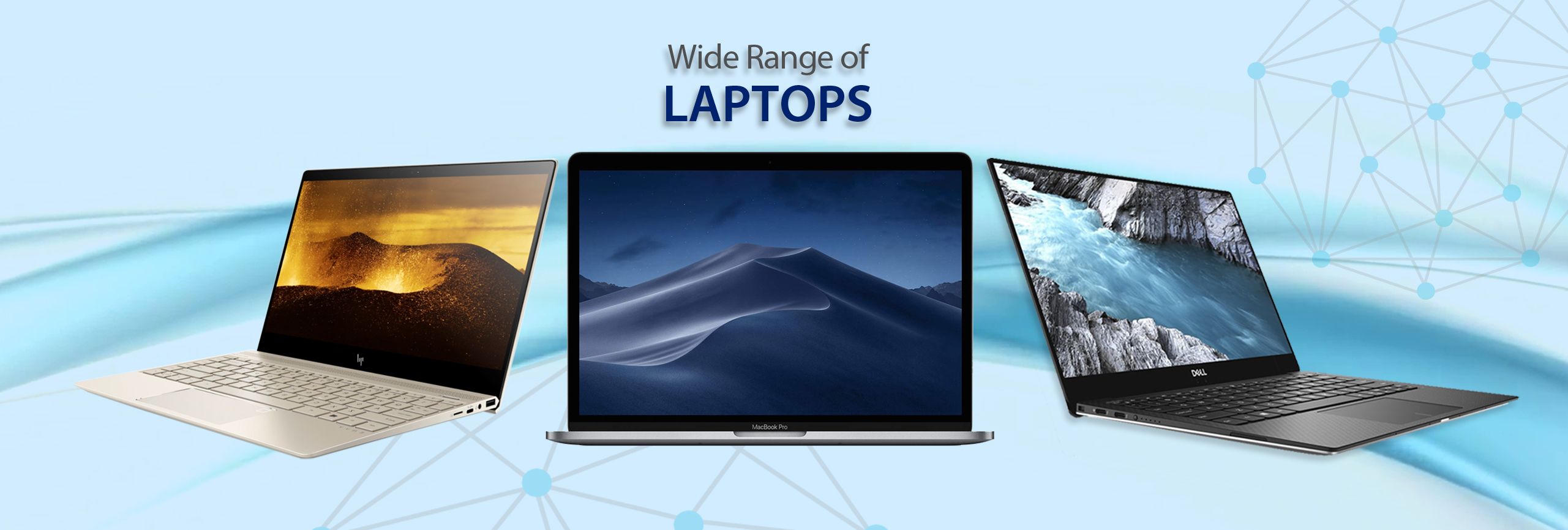
Our Latest Item "Introducing our newest product - the ultimate all-in-one tool for productivity and organization."
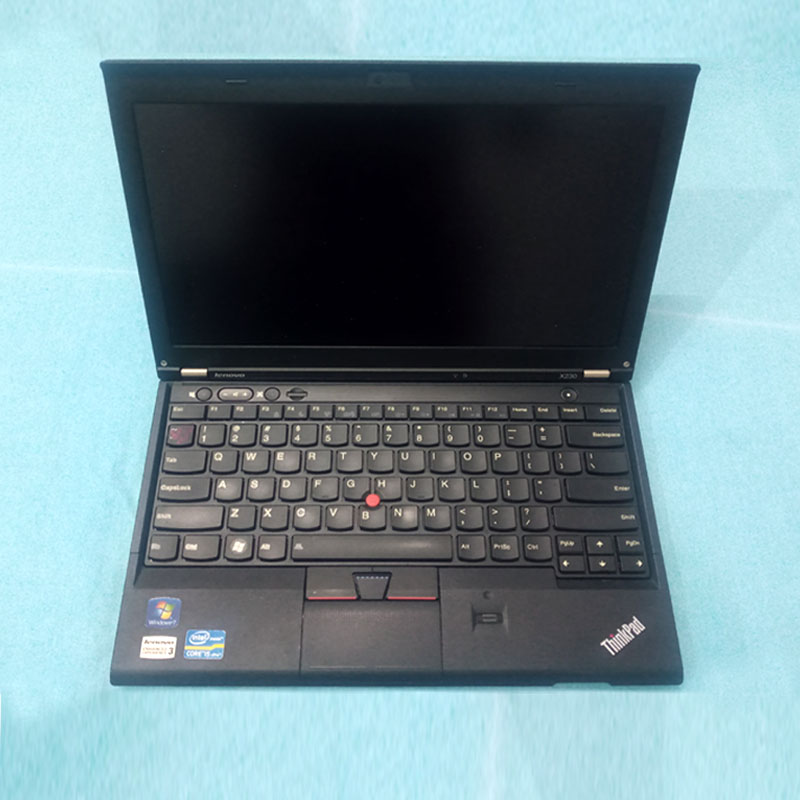

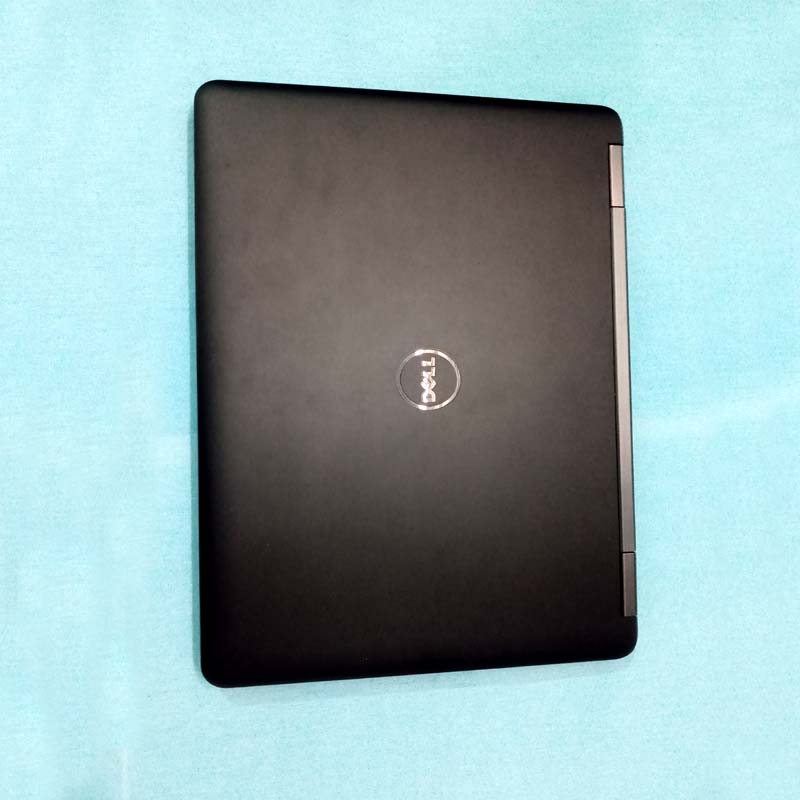
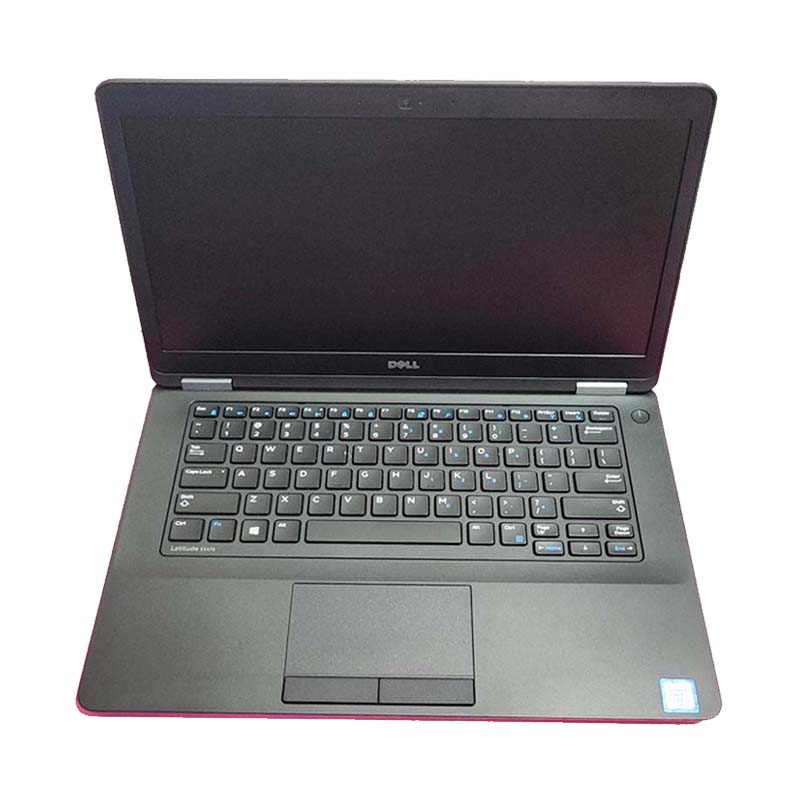



Our Services
Customization Options
Some refurbished laptop resellers offer customization options, such as upgrading the RAM or hard drive, to meet the specific needs of their customers. This can be a valuable service for those who need a laptop with specific specifications but want to save money by purchasing a refurbished model
Quality Testing
A reliable refurbished laptop reseller should have a thorough quality testing process to ensure that the laptops they sell are in excellent condition and function like new. This includes testing the hardware components, software, and overall performance.
Door Step Delivery
This delivery method involves getting the product delivered to your front door step. This means the delivery driver will NOT bring the unit inside of your home.
Our Blog "Revolutionize your workday with our all-in-one productivity and organization tool."

Why Refurbished Laptop?
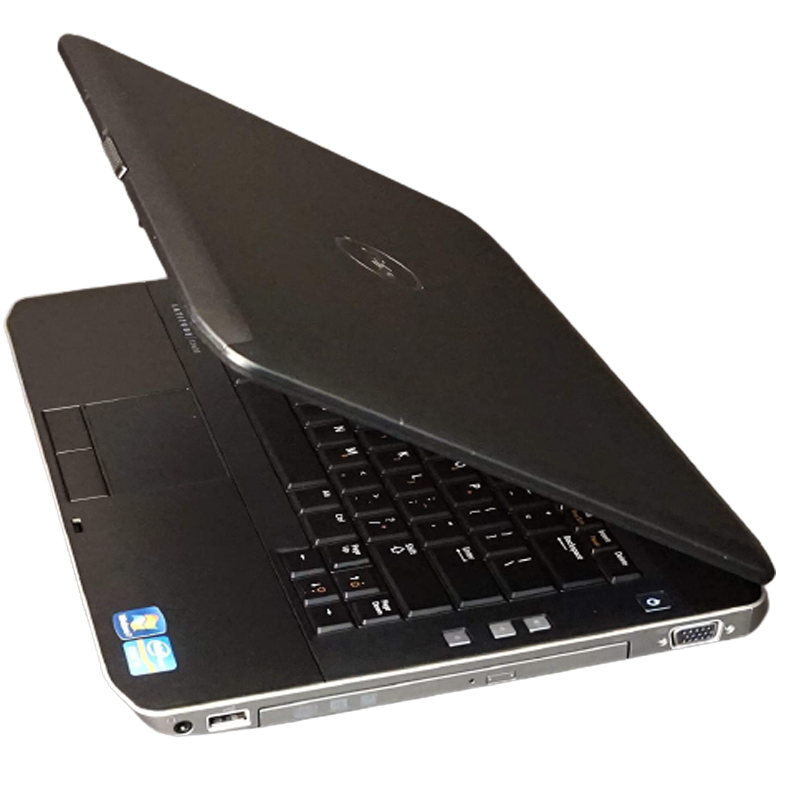
Refurbished laptops have become increasingly popular in recent years, and for good reason. Not only are they a more affordable option than buying a brand new laptop, but they also help reduce electronic waste by giving old laptops a second life. If you're considering buying a refurbished laptop, here are some things you should know.
Firstly, not all refurbished laptops are created equal. Some may have been returned due to a defect or issue, while others may have been used for a short period of time before being resold. It's important to do your research and read reviews before making a purchase to ensure that you're getting a high-quality refurbished laptop that will meet your needs.
Another thing to consider is the warranty or return policy. Make sure that the seller offers a warranty or return policy so that you can feel confident in your purchase. Additionally, check to see if the warranty covers any repairs or replacements that may be needed down the line.
When it comes to the actual laptop itself, refurbished laptops can come in a variety of conditions. Some may have minor cosmetic damage such as scratches or dents, while others may look almost brand new. It's important to read the product description carefully and look at photos to get an idea of what condition the laptop is in.
One of the biggest advantages of buying a refurbished laptop is the cost savings. Refurbished laptops can be significantly cheaper than buying a brand new laptop, which is great for those on a budget or looking to save some money. However, it's important to keep in mind that you may not be getting the latest model or highest specs when buying a refurbished laptop.
Overall, buying a refurbished laptop can be a great option for those looking for a more affordable and environmentally friendly option. Just make sure to do your research and choose a reputable seller with good reviews and a solid warranty or return policy.

The difference between used and refurbished
Regardless of its route to the laptop spa, manufacturers or third-party authorized refurbishers typically sanitize, sort and grade the units based on physical look and functionality. They disassemble each one, checking for damaged components, battery function, screen quality, power supply, loose connections, hard drive and optical drive. If a seller does not follow a process like this, the product isn't really refurbished; it's used.
Missing or defective components — RAM, graphic cards, capacitors, ICs, hard disks — are replaced and the machine undergoes a complete data wipe. The laptop is then tested, cosmetic defects repaired, and a new OS is installed before being packaged for its new home.
That last software bit is critical, Cade said, as sometimes people buy refurbished without the OS installed — and that is a no-no. Some sellers may try to install the original OS and pass it on to buyers, but that would not be a legal license. MARs have agreements with Microsoft to copy properly licensed operating systems (primarily Windows 10) onto refurbished units.
After a refurbisher inspects, cleans, repairs and restores a used or returned laptop to factory settings, the unit is certified to be in good working order and returned to the retailer or manufacturer for sale at a discount.

Quick tips for buying a refurbished laptop
- Examine your refurbished laptop.
- Look for a quick support.
- Note the difference between refurbished and certified.
- Compare market price.
